Unknown's avatar

Vegan gloves for all occasions

I’ve linked to a lot of products in this post and I’m sure, over time, some of the links will break. If you can’t find a product, let me know–or search the web for the terms I’ve mentioned in the links. Thanks!

Looking for cruelty-free gloves? Sometimes the little items are the hardest to swap out for vegan versions. I’ve scoured the Internet and found vegan alternatives for some of the most popular types of gloves.
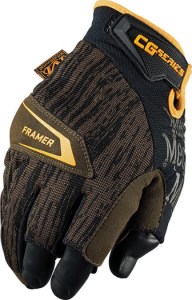
Mechanix framer glovesWork gloves – Whether you’re working on your car or on a construction site, work gloves need to protect. Luckily, you can still be safe and cruelty-free. Ironclad makes their Super Duty glove using synthetic materials.

Mechanix also has vegan safety gloves (made with Clarino), like their Framer, the Safety M-Pact 2 and the OutDry, which is machine washable.

Garden gloves – For light garden work, a fabric glove is just fine. Rubber palms and fingers keep out moisture and help with grip. If you really need protection and durability, the Pallina men’s glove is heavy duty and will serve your landscaping needs. Women’s Pallina gloves are also available. I’d use a general purpose Mechanix glove in in the garden too.

Motorcycle gloves – A lot of motorcycle apparel manufacturers sell non-leather gloves. Sometimes because they’re a better price, and sometimes because they’re better in all types of weather. Read the description carefully though. Some still have leather palms or knuckles.aerostich vegan gloves

Motorcycle Superstore carries a lot of gloves, including men’s winter gloves with synthetic suede palms by Alpinestars, men’s summer gloves with neoprene and lycra by Scorpion, women’s waterproof gloves by Dainese, and women’s summer gloves with synthetic palms by Joe Rocket.

Aerostitch sells vegan gloves for summer and winter. Both will protect your hands from wind, bugs, rocks and pavement.

Cycling gloves – Most sports shops will have non-leather glove options. A few examples include these North Face men’s cycling gloves and these ones by Ventura.

Weightlifting gloves – I’ve found several vegan weightlifting gloves, like these women’s weightlifting gloves by Shiek and this pair of men’s gloves by Valeo. Vegan bodybuilders will appreciate the New Grip lifting gloves, from a company that specializes in all animal-free products.

Vehement vegan glovesBoxing gloves – You can find vegan boxing gloves, like this pair of Everlast wrist wrap gloves and this heavy bag pair. But if you want vegan gloves from an all-vegan, fair-trade company, you’ll treat yourself to a pair of Vehement gloves. Vehement makes gloves for men and women. They won’t get cracked and brittle and they won’t absorb odors.

Baseball gloves – Most baseball gloves are made using leather but after searching the net, I’ve found a few vegan options, from cheap gloves on amazon to custom-made pro gloves by The Carpenter Trade Company. Synthetic versions are harder to come by at the moment, but they’re the future of baseball, according to people like Scott Carpenter, owner of a high-quality synthetic glove company.

Winter gloves – When you need warmth, check out Underarmour. UA makes a few styles of gloves. The men’s ColdGear Infrared  Storm Stealth Gloves are made with nylon, polyester, and synthetic leather. They make a woman’s glove too that appears to be all synthetic. Maybe the stylish colors of Columbia’s Whirlibird Insulated Gloves are more your style. Gentlemen, the Tumalo Mountain Ski Glove might be just what you’re looking for.

Fashion gloves – Fashionable leather-look gloves are available too, especially at department stores that offer a variety of price points. Often the faux leather gloves are the budget alternative, but they’re still stylish and come in a range of colors and styles. I’ve seen them at JC Penney and Target before.

There are lots of more glove styles and I know I haven’t covered them all. What type are you looking for?

Unknown's avatar

Instead of eggs

I’ve written about the inherent cruelty of the egg industry and why vegans don’t eat eggs. When I nix one item, I like to offer a vegan substitute, so let’s look at other ingredients that you can use instead of eggs.

Baking: To get baked goods to stick together, use applesauce, flax seeds, or a banana. Applesauce is sweet and keeps foods moist. Use 1/4 cup instead of one egg. Bananas hold baked goods together and add sweetness too. Use one small banana instead of an egg. Flax seeds will bind without the added flavor of apple or banana. Mix one tablespoon of ground flax seeds with three tablespoons of warm water and stir until it gets thick and sticky.

Ener-G Egg Replacer is a powdered product (of potato starch, tapioca and other ingredients) that has leavening properties and is a great egg alternative. 1-1/2 teaspoons of egg replacer and 2 tablespoons of water mixed together is the perfect amount to replace one egg.

Using vegan recipes will help you get the right substitutions and ratios, but after you get the hang of it, you can veganize almost any recipe. Use the ideas on this page from PETA for more substitutes.tofu scramble

Cooking: If you crave scrambled eggs, you can crumble firm tofu into a pan with onion, mushrooms, peppers, or whatever else you’d like. Add the tofu after all the other ingredients are cooked. It doesn’t need to be heated up for long. It’s ready to eat and just needs warming up really.

Tofu is bland, which means you can add your own flavor and color with turmeric, soy sauce and a touch of kala namak (Indian salt that adds an eggy flavor). Add a little Daiya vegan cheese, and you’ll never miss a traditional scramble.

I recently made a grits casserole using tofu instead of eggs and it was great! You can use tofu to make egg salad too.

I made a mock tuna salad using garbanzo beans. It was more like an egg salad. I wasn’t going to fool anyone (it didn’t completely mimic eggs), but it was a very satisfying meal. Veganaise or Nayonaise are great mayo substitutes–for salads or on sandwiches.deviled potatoes

I have yet to make vegan French toast, but I’ve ordered it in restaurants and I know if can be made with a batter of non-dairy milk, flour, cinnamon and sugar.

The heavenly potatoes I make are a delicious devilled egg substitute. If you’re really ambitious, try this version of deviled eggs.

A new product called the Vegg is on the market now. When I try it, I’ll review it here. It’s used to make vegan cakes, custard, French toast and Hollandaise sauce (and more).

More info:

Is there anything egg-related you’re craving? Do you have other egg replacement ideas?

Unknown's avatar

The Lucky Ones

I recently finished reading The Lucky Ones: My Passionate Fight for Farm Animals. What a great read! I hope you read it too. In the book, author Jenny Brown tells the story of how she started Woodstock Farm Animal Sanctuary.

the lucky ones book

It’s more than just an account of founding and running a sanctuary though. The story starts when Jenny was a kid. It chronicles her cancer diagnosis, her rebellious teens, and her awakening to the food system and the cruelty billions of animals endure in the name of taste buds.

I enjoyed reading about Brown’s first career in television production and how her video skills and veganism merged into a foray into undercover video work at stockyards.

The book has heartbreaking moments but her humor kept me reading. I was in awe of her bravery and compassion.

Like many vegans, one animal is often the catalyst for change. Jenny’s cat Boogie, and the love they shared, influenced the authors shift from typical food consumer to vegan activist.

Throughout the book, I also got to learn about some of the animals at Woodstock Farm Animal Sanctuary too. I loved learning about them and reading the “happy endings.” It tempered the cruel realities most farmed animals face.

As with any memoir, the author can’t invent the ending. This is real life. However, I’m glad it’s a love story too. I was rooting for Jenny Brown and I enjoyed the personal plotlines as well as the information about animals and running a sanctuary.

The Lucky Ones is a page-turner and I’ve given copies as gifts to a few people. It will open people’s eyes to factory farming, small-scale farming, and the myths of humane slaughter in a way that a conversation might not.

Unknown's avatar

Vitamin supplements for vegans

When people find out I’m vegan, they’re often concerned about my health. “Where do you get your protein?” is a common question (I’ve answered it in this post). Iron, calcium and B12 are other things people worry about too. I’m going to address these concerns (and throw in a bit about vitamin D too).

I’m not a medical professional, but I study nutrition and I’ve completed the Plant-Based Nutrition Certificate taught by Dr. T. Colin Campbell at Cornell and I’m going to share a bit about what I’ve learned about supplements and vitamins for vegans.

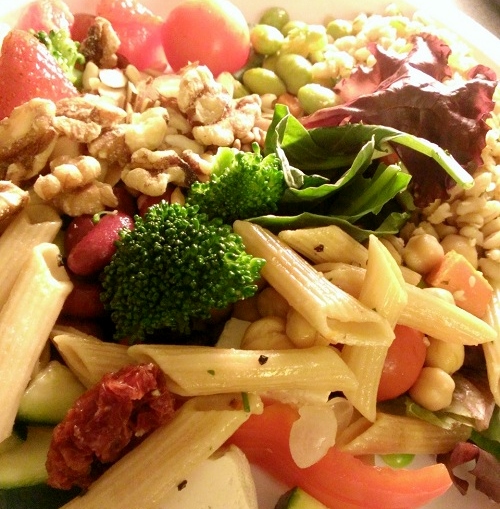
plant-based lunchThe good news is that we can get all the nutrients we need from plants. Ditching meat, eggs and dairy is ethical and it’s a way to avoid cholesterol and excess fat and protein (too much protein is not healthy). Animal products lack fiber and are missing a host of other nutrients–as well as cancer-fighting antioxidants!

The course I took emphasized a whole food, plant-based diet. Coke and Oreos are vegan, but not good for us! When we eat a variety of whole foods, we get a variety of nutrients. Our bodies utilize nutrients over time and it’s healthy to eat a variety of vegetables, fruits, grains, legumes and beans.

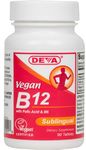
Vitamin B12 – We need B12 so our brains and nervous systems work properly. It helps build blood and regulate our metabolisms. B12 is produced by microorganisms (it comes from bacteria, not meat). Animals who eat foods from the earth consume dirt and the B12 stays in their intestines. In the past, we ate food with a bit of soil on it too and got our B12 the same way animals do. Today, we’re cleaner (and soil is Deva vegan B12often depleted of nutrients), making B12 not just “a vegan problem.”

A simple blood test can determine your B12 levels. Fortified soy and almond milks contain it, but you can also take a supplement. Deva makes vegan vitamins (meaning vitamins for vegans but also vitamins free of animal ingredients and gel caps made from gelatin).

Vitamin D – This vitamin isn’t truly a vitamin (it acts more like a hormone and helps us absorb calcium). We can make our own just by getting some sun. It’s often added to dairy, but milk normally doesn’t have vitamin D. It’s in fortified soy and almond milks too. The best way to get vitamin D is to get a bit of sun exposure. Not too much, course! Get your levels checked and supplement if you’re low (a lot of people in the northern hemisphere are).

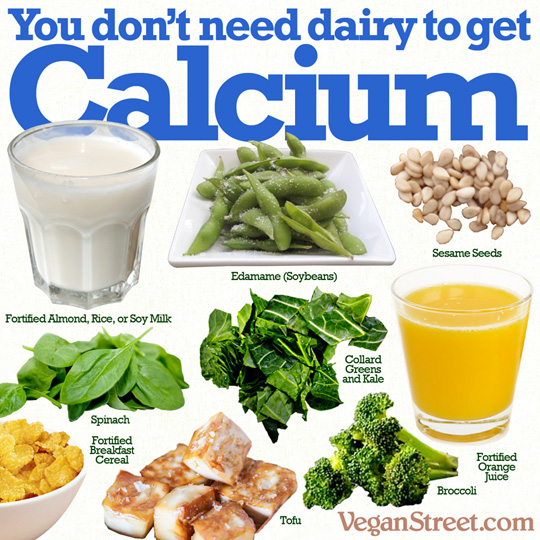
Calcium – Calcium builds strong bones and helps our bodies absorb vitamin D. Many people think about milk when they think of calcium, but milk and other animal proteins create an acidic environment in our blood. Our bodies use bone calcium to neutralize the acidity and make blood more alkaline. When we get rid of the excess protein, we lose calcium. Animal proteins also block vitamin D which, in turn, promote cancers. Yikes! So where should we get calcium? Check out this chart from Vegan Street:

plant-based sources of calcium

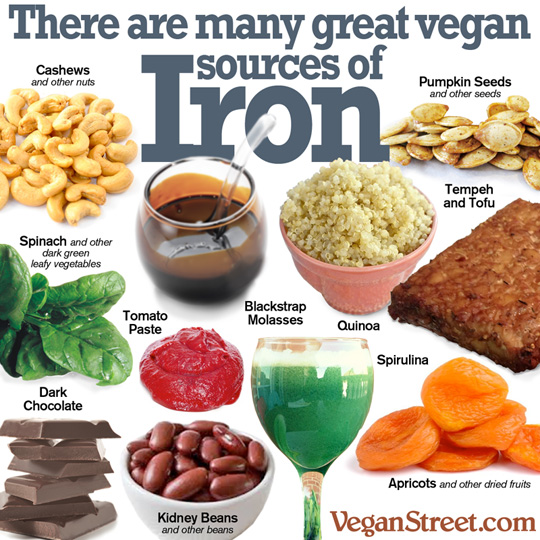
Iron – Iron is also important. Among other functions, it carries oxygen to the lungs. Meat has iron, but fortunately so do a lot of plants. Pro tip: eat iron-rich foods with foods containing vitamin C. The vitamin C aids in iron absorption. Tomatoes and spinach on a pizza, anyone? Here’s another great image from Vegan Street:

plant-based sourcdes of iron

Thoughts about supplements

One of my nutrition classes was presented by Dr. Matt Lederman. He said we’re designed to get nutrients from food. Supplements aren’t food. They don’t cure disease, and we don’t need then unless we have a deficiency. The real reason people are sick is because they’re poisoning themselves with fat, cholesterol and protein and by eating foods that are lacking in nutrients. Doctors don’t know exactly how much of each nutrient we need, but our bodies do. Poor health, Dr. Lederman said, is a fruit, grain and vegetable deficiency.

The best thing we can do is eat a variety of whole foods from plants. With the exception of B12, and (if you’re in a northern clime) vitamin D, we can follow Hippocrates’ advice:

Let food be your medicine and medicine your food.

Unknown's avatar

Another reason stop eating shrimp

I reviewed some vegan alternatives to seafood by Sophie’s Kitchen a few weeks ago. In addition to singing the praises of their products, I listed a few reasons why eating sealife isn’t a great idea:

  • Harvesting wild animals–like calamari, shrimp and some types of cod–is done with trawling, a process that basically rakes up all life forms the sea floor, killing everything, and creating dead zones.
  • For every pound of shrimp, 10 pounds of bycatch (species people weren’t trying to catch) are killed.
  • Farmed fish is usually raised in water treated with pesticides and antibiotics.
  • It takes two pounds of wild fish to feed one pound of farmed shrimp.

But I’ve learned something new that I can add to the list: eyestalk ablation.

Eyestalk ablation is as gross as it sounds. It’s the process of removing one or both eyestalks from female shrimps and prawns–and it’s done in almost every shrimp reproduction facility in the world! The goal of ablation is to stimulate the female shrimp to develop mature ovaries and spawn.

In the wild, shrimp sexually mature shrimp with eyes by Tomasz Sienickion their own, but captive conditions prevent them from developing mature ovaries. Even the types of shrimp that could develop ovaries and spawn in captivity have their eyestalks removed because it increases egg production. There’s detailed info online about the how and why behind the phenomenon.

The science behind ablation isn’t the interesting part. I’m saddened to learn of yet another way humans manipulate animals for profit. Apparently tiger prawns can regenerate their eyestalks, but that’s not the point.

We don’t need to eat shrimp or prawns. In fact, it’s better we don’t (as bottom feeders, they’re actually toxic). They’re another example of species that are exploited. They may not be cute or cuddly, but they don’t deserve to be mutilated and blinded–just so people can eat them at cocktail parties!

Knowing about this form of cruelty makes me say “bring on the vegan options!”

Unknown's avatar

Cheddar beer bread

When I was a university student, I made the easiest bread–but the recipe wasn’t vegan. After going vegan, I missed that bread, but I never thought to veganize it. So imagine my delight when I found a vegan version on the Daiya website.

Here’s what it looks like. Tempted? Read on!

cheddar beer bread

Ingredients:

  • 1 cup Daiya Cheddar Style Shreds
  • 3 cups unbleached all-purpose flour
  • 1 tbsp. baking powder
  • 3 tbsp. organic cane sugar
  • 1 tsp. fine sea salt
  • 1 bottle of beer, room temperature (341 mL lager or light ale)
  • 2 tbsp. dairy-free margarine, melted

ingredients

First, preheat your oven to 375 F and grease a 9” x 5” loaf pan. This is a good time to melt the margarine.

Mix together the flour, baking powder, sugar and salt in large bowl and then stir in the cheese. Pour the bottle of beer into the bowl and stir just until batter is moistened. I used Sierra Nevada Pale Ale. It’s a vegan beer! Don’t overmix. The batter will be lumpy. That’s okay.

Spread the batter in your loaf pan and pour melted margarine evenly over top.

Bake loaf for 35-40 minutes until golden brown and knife inserted in center comes out clean. Cool loaf in pan for 10 minutes before transferring to wire rack. Cool completely before slicing.

finished bread

The bread is easy to make, foolproof, and delicious! I ate it with a hearty vegan stew. Perfect for dipping! It’s great on its own too. A yummy snack.

Unknown's avatar

Why vegans don’t eat eggs

When I was a vegetarian, I ate eggs and I drank milk. “They’re byproducts,” I’d say. “The chickens and cows don’t get hurt.” I was convinced of this. Then I read Diet for a New America and found out how wrong I was. I cut out eggs and dairy immediately.

So what’s wrong with eggs?chicks

It starts at the hatcheries–the places that breed chickens and incubate eggs. Hatcheries are where factory farms, free-range operations, and even “urban farmers” get their chicks.

The boys – On day one, all male chicks are killed. They’re ground up alive, gassed, or dumped in the trash and left to die. The boys, you see, have no value. They won’t lay eggs, and they’re not meaty broilers like their cousins. They are useless to the egg industry.

That’s enough for me to ditch eggs. But wait, there’s more:

Confinement – On factory farms hens are crammed into tiny battery cages. Each bird has less “floor space” than an iPad (except, unlike an iPad, she has to stand on wire). In these conditions, hens will become frustrated and crazy and will sometimes hurt each other.

Debeaking – To prevent injuries, chickens are, well, injured. When they’re still babies, they have the ends of their beaks seared off with a hot blade. Even free-range set-ups will often have debeaked hens. A lot of so-called free-range farms are really just cageless, not roomy. They’re cramped warehouses that may or may not have outdoor access.hens in battery cages

An unhealthy environment – These “farms” stink to high heaven and the air is so polluted that the ammonia will burn your eyes (if they let you in). My mom saw first-hand what a small-scale battery-cage farm looks like. You can read about her experience on her guest post at Honk if you’re Vegan.

Physical stress – In nature, a hen will lay a clutch of eggs (maybe 10 or 12) in a nest, where she will sit on them for three weeks until her chicks hatch. She won’t lay eggs again until her young can fend for themselves, so she gets a break from laying. But on egg farms, hens have their eggs taken away so they keep laying. It’s stressful on their bodies and depletes them of calcium, which often causes osteoporosis. Up to a quarter of battery hens experience bone breaks during their short lives.

Willow at Woodstock Farm Animal Sanctuary

This rescued hen, Willow, is safe now (picture (c) Woodstock Farm Animal Sanctuary)

To get the most eggs from indoor hens, some farms practice forced molting. Farm operators stop feeding hens for a week or two, which causes them to shed their feathers and simulate the fall season, when they would normally stop laying eggs. After an induced period of “rest,” in which they lose about a third of their body weight, they begin to lay again. This practice is banned in some countries. Where it does exists (like the USA), it coaxes another laying season out of already taxed birds.

Hens are social, nurturing and smart–when in a natural setting. But to the egg industry, they’re a commodity–valuable only when they’re making someone money. So after a year or two, when hens lay fewer eggs, they’re slaughtered.

The egg industry is inherently cruel. Over 95% of birds come from factory farms. Even those who are “treated well” have lost their brothers. And most, even those from hobby farms and urban coops, are sold, or killed when they lose their value.

Animals deserve to live their own lives. A hen’s worth is not tied to what she can give me. And there are so many egg alternatives. There’s no need for cruelty.

That’s why vegans don’t eat eggs.

Unknown's avatar

We Animals

Last summer, as part of a Kickstarter fundraiser, I contributed to getting the book We Animals printed. For my donation, I received a copy of the book, which arrived in December.

We Animals is a gorgeous, hardcover photo book by award-winning photographer Jo-Anne McArthur. She also wrote the accompanying text that explains the circumstances in each picture. It’s beautifully written.

we animals book cover

McArthur spent years travelling the globe, documenting the plight of animals in human environments. She covers animals raised for food, clothing, used in entertainment and research, as well as rescued animals.

Her photos draw viewers in and help make a connection to the animal subjects in them. The photos aren’t all easy to view, but they all tell a story that needs to be shared. If they must endure it, the least we can do is acknowledge it.

Bearing witness–observing but not necessarily being able to help–is a key part of the book. McArthur travelled to factory farms, fur ranches and zoos. What can one do other than promise those animals that they will not be forgotten–that their message will be shared and that someone will fight for them and others like them?

Every animal lover should own a copy of this book. Mine is on the coffee table and is a great conversation starter when guests come over.

Jo-Anne McArthur is the subject of the documentary The Ghosts in Our Machine, by Liz Marshall. When I get a chance to watch that, you can bet I’ll share my thoughts with you.

Unknown's avatar

Grits Casserole

When I was in Georgia, I visited the Savannah farmers market, where I bought a bag of grits. Quintessential southern cuisine, I thought. I’d had grits as a kid when I was on a family a road trip through the South. I enjoyed the grits this time too (hubby added salt and margarine, I had mine with agave and a dollop of peanut butter).

grits

The real treat, however, was the recipe for grits casserole that I found on the back of the package. It called for sausage, eggs and two kinds of cheese. I knew I could veganize it. I did, and it was delicious!

The company, Carolina Plantation Rice, carries a lot of great kitchen staples like cornmeal, grits, rice flour and, well, rice. I plan to order some soon. Bonus: They’re a green-certified, renewable-energy company!

My ingredients

Ingredients:

2 cups cooked grits
Half a brick of firm tofu (instead of eggs)
1 tsp turmeric
1 tsp kala namak (black salt)
2 Field Roast vegan sausages
1/2 cup Daiya vegan Swiss, grated
1 cup Daiya vegan cheddar, grated
Salt and pepper to taste

First I added the cooked grits to a 9″ casserole dish. Then I browned the sausage, broke it up, and added it to the grits.

Field Roast and grits

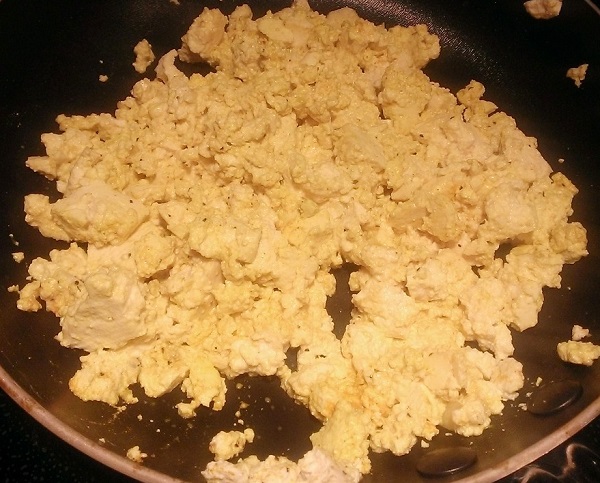
Next, I drained and crumbled the tofu into a pan and heated it up, while mixing in the turmeric (for flavor and color) and kala namak (for eggy flavor). These last two ingredients weren’t in the original recipe, but it’s what I did to veganize it. Be careful not to overcook the tofu. In theory, it (and the sausage) doesn’t need to be cooked. Field Roast is pre-cooked and tofu is fine in any state. Plus, the whole shebang gets baked anyway.

tofu scramble

Finally, add the Swiss and cheddar, stir, and bake at 350 degrees for 45 minutes.

grits casserole - before

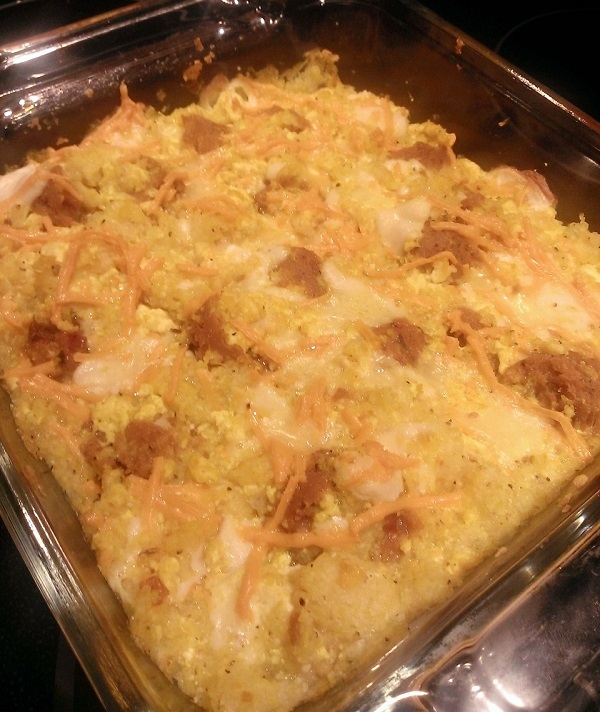
My husband and I loved this dish! I’m definitely going to make it again soon. It’s almost quiche-like. Next time, I’ll add onion, broccoli and red pepper. And more cheese!

Grits casserole - out of the oven

Have you veganized any recipes lately?

Unknown's avatar

Vegan motorcycle jackets

I’ve already written about motorcycle safety gear for the avid rider, but what about the moto look for fashion? You won’t need to be protected, but if you want to look good and steer clear of leather, you’ve got options!

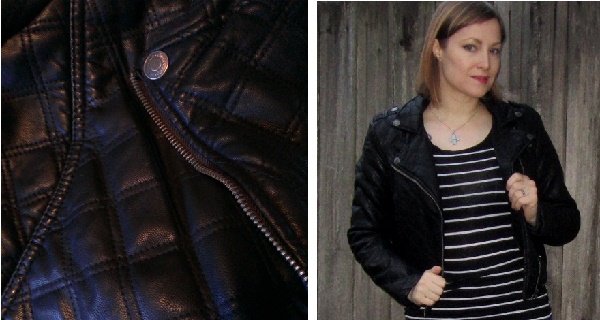
Here’s the classic James Dean style jacket–with a twist: The pleather is quilted. I love this jacket and recently got it on sale at Aeropostale. You can find a lot of faux leather options at this place. And unlike leather, you won’t have to worry about a little rain.

classic jacket

For guys, how about this faux suede moto jacket? It’s a Perry Ellis design from Nordstrom. My husband didn’t mind the faux. He was happy actually, and pointed out that a lot of high-end cars use Alicante (a durable, water-resistant faux suede) in their interiors.

faux suede

If you don’t need to replicate the look of leather but love the moto style, check out a few other options like this brown velvet version and a bright yellow cotton one. The velvet jacket is from Forever 21 and the cotton one I found (new) on eBay.

velvet and cotton

I couple of other takes include a blush pink number from JC Penney and a fabric and pleather one also from Forever 21.

leather alternatives

I recently spotted a slew of great motorcycle jackets in the Macy’s juniors department. These are by American Rag and come in a lot of great shades.

faux leather jackets

So far, most of the jackets I’ve shown are lower end, often juniors, and they’re likely faux because faux is often cheaper (for the younger demographic). But you don’t have to go cheap to go faux. Vaute Couture, the vegan fashion house out of Brooklyn, makes a great classic moto jacket in v-wool for men and women and waxed canvas, also in men’s and women’s sizes.

Vaute jackets (photo c/o Vaute Couture)

You can check out Alternative Outfitters too, a vegan online retailer, to find jackets that are cruelty-free. Other stores like Free People and ModCloth are good sources too and carry cute vegan options. Do a search on their sites for vegan or faux and you’re bound to find something.

No matter what price point or style you’re looking for, you can avoid animal skins easily, thanks to the abundant choices we have these days. Happy shopping!