Unknown's avatar

Why not wool?

I’ve never liked the feel of wool next to my skin. It’s too itchy! But I couldn’t understand why vegans didn’t wear it. Sheep need to be shorn, right? And unlike fur, they’re not killed for their wool. Or are they?

A few years ago, after researching about wool, I changed my stance. Wool isn’t welcome in my home.
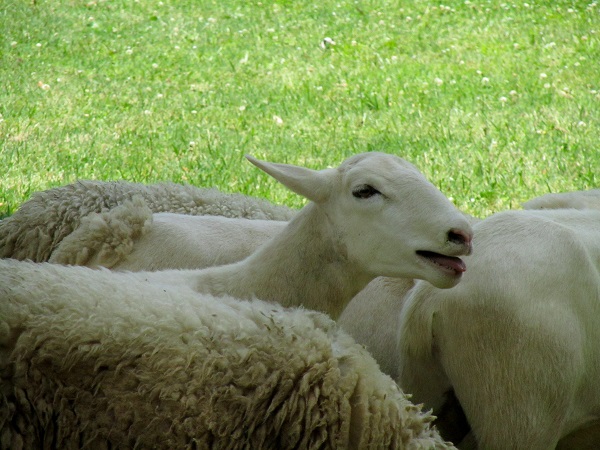
bleating sheep

Wild sheep grow only enough wool to keep warm (and they can shed it). Domesticated sheep have been bred for their wooly coats and do require shearing. Often, sheep who aren’t shorn before the weather is too hot will die of heat exhaustion. And if they’re shorn too early, they’ll die from exposure. About a million sheep a year die this way.

Sheep, like merinos, are bred to have lots of wrinkly skin (more area to grow wool on). As a result of their wrinkles, they suffer from skin infections. Flies lay eggs in their folds and maggots literally eat the sheep alive. Ranchers have found a way to combat this: mulesing, a process where large strips of flesh are cut off the sheep’s backsides. About 100 million sheep have this process done to them every year–without anesthetic!

Also performed without painkillers: castration, dehorning and tail docking.

Sheep are shorn by laborers who are paid by volume, not the hour. And in their hurry to work quickly, sheep are often rough-handled and injured. And when sheep stop producing as much wool as ranchers need to keep profits up, the sheep are killed for their flesh. In Australia, sheep are often shipped alive to the Middle East so they can be sold and butchered there. Many don’t even survive the cramped, long journey by sea.

In theory, one can raise a few sheep and sheer them humanely. In reality, the scale of operations–farms with hundreds of thousands of sheep–means there isn’t time or resources to care for the sheep. Dead sheep are a cost of doing business. It’s great that sheep aren’t usually confined to factory farm, like pigs, chickens and cows, but they roam land in habitats that they aren’t native to and often destroy habitat for native species. In Australia, some indigenous species are becoming endangered as a result of sheep grazing.

Don’t get fleeced! Whether for carpets or clothing, skip the wool (which is pricy, shrinks, attracts moths, retains odors and isn’t hypoallergenic) and try humane alternatives:

  • Cottonsheep
  • Bamboo
  • Hemp
  • Tencel (biodegradable)
  • PolarTec (made from recycled plastic)
  • Poly fleece
  • Synthetic shearling
  • Rayon
  • Linen

Resources:

Unknown's avatar

It’s World Vegan Day!

Happy World Vegan Day!

November 1st is a day to celebrate being vegan. If you’re not a vegan, try it–even for just today!

vegan starterNovember is also World Vegan Month. It’s a perfect time test the waters and pledge to cut out meat, milk, and eggs. One way to start your vegan journey is by ordering a vegan starter pack. Several organizations have free info packs to help you get started with food and lifestyle changes (click the image of the lamb on the left to see a list). The packs include things like recipes, nutritional info, and compelling reasons to go vegan (like saving animals, improving your health, and helping the environment). Being vegan is a life-changing (and life-saving) decision!

World Vegan Day was started in 1994 to celebrate The Vegan Society’s 50th anniversary. The Vegan Society formed in the UK in 1944. That was the year that the term “vegan” was coined and defined.

Vegans come in all shapes and sizes and walks of life. It’s hard to generalize who a vegan is. Here is a bit of information about what vegans strive for:

Vegans abstain from animal products. Food wise, that means meat (including fish), eggs, and dairy. Veganism extends to other areas as well. Vegans don’t wear animal products (fur, leather, wool, silk, feathers, or any other item from an animal), or use household products containing animal ingredient or products tested on animals. Vegans don’t support captive animals acts like those in the circus or SeaWorld.

Vegans view animals as the sentient beings that they are, and not commodities to be exploited and used by humans.

So whether you’re just thinking about veganism or you’re well on your way, World Vegan Day is a great time to make a commitment to the animals, the earth, and your health.

Unknown's avatar

Visiting Pigs Peace Sanctuary

Last Saturday I had the chance to visit Pigs Peace, a sanctuary for abused and neglected animals. A hundred and ninety-one pigs now call the sanctuary home. They, and a few non-pigs, will get to spend the rest of their lives in peace. Old age is something most pigs never see, so living a long life is very special.

Pigs Peace

I went to the sanctuary because Jo Lombardi, a grief counselor, was offering a healing retreat for animal rights activists. Activists are often the people who see the things that others turn away from. We see the damage that others cause, and we know the dire situation that a lot of animals are in. That can be stressful, so having a safe place to talk among like-minded people was refreshing.

Jo is switching the focus of her practice to help animal activists exclusively. What a treat! She led us on guided meditation, a way to de-stress, and gave us materials so we could create an action plan and work toward balance in our lives. We were treated to vegan chili and snacks, and got a chance to share our stories with others.

After the retreat, sanctuary founder Judy Woods took us on a tour of the sanctuary.

A pig poses

We saw a group of pot-belly pigs rescued from a hording situation, we saw pigs who’d escaped slaughter and others who’d been rescued from neglect and abuse. The biggest pigs were 900 pounds! Unfortunately humans have been breeding pigs to be bigger and bigger. In the mid-1800s, a pig on a farm usually grew to 150 pounds.

One thing that struck me is how clean the farm was. It didn’t stink. The barn smelled like fresh hay. Pigs are naturally clean animals and don’t eliminate where they sleep. The barn was a place where the pigs could pile up, nest, cover up with hay, and get cozy. They did their business elsewhere. Of course pigs can’t sweat, so on hot days, you might find them cooling off in water or mud!

three pigs

I was also surprised by how hairy the pigs were. I always pictures “pink pigs” as being hairless. Well the “pink ones” had white hair. Others were brown, black, spotted or two-tone.

Pigs are smart! Smarter than dogs. They’re funny, playful, responsive, inquisitive, and a joy to watch.

We got to throw pumpkins to the pigs. They came running through the fields from all directions when Judy called them. And within a few minutes, two wheelbarrows full of pumpkins were gone!

pumpkins

Next up: Carrots. Judy rang the dinner bell and the pigs ran to the cement feeding area that we were busy littering with carrots. One again, the pigs ate them all–all 100 pounds of carrots!

carrots

One pig, a beautiful gray spotted one, would gather up as many carrots as she could. She walked far away, carrots spilling from her mouth the whole way, and then ate her “stash.” None of the other pigs did that, but she preferred to eat “buffet-style.”

spotted pig

If you ever get a chance to visit Pig Peace, I encourage you to. If you can’t get there, visit their website and look at all the pigs and read their stories. Judging by the amount we fed them, I’m guessing it’s not cheap to run a pig sanctuary. Pigs Peace is a 501(c)3 charitable organization, so consider making a donation.

In case it’s not obvious by now, I want to remind people that pigs are beautiful creatures who don’t belong on a dinner plate. I’m so sick of the cult of bacon. Bacon, pork chops, sausage–they’re all the same. It’s the flesh of a pig. And pigs deserve better than this. They deserve peace too!

And now for your viewing pleasure: pigs!

Unknown's avatar

Giving livestock isn’t charitable

Imagine, if you will, that you live in an impoverished community in an underdeveloped nation. Your one-room hut has a dirt floor without electricity or running water. You have to a make a fire just so you can cook. Food is scarce but you do your best to feed your children.

Then a western charity gives you a cow (or goat, or maybe a flock of chickens) so you can use this animal to improve your life. Sounds good, right?

Not so fast.

Ever raised a cow? Tried predator-proofing a chicken coop? Taking care of animals is hard to do. It’s a real burden, especially for people trying to raise a family and meet their basic needs.

cow in Africa

Livestock costs a lot. Animals get sick and require vet care, they drink a lot of water (water that might not be easily accessible), and they eat food that could be used to feed people. Animals eat more than they produce. Often the price of food for livestock is greater than the money families can get from selling milk or meat.

The chances of the animals getting good care (when people can’t give their families proper care) are slim. Sometimes animals are used as currency and are bartered away. Other times children are pulled out of school to tend to the animals.

Oxfam-funded drinking hole in East Africa

Eating high on the food chain isn’t wise. But western charities promoting western lifestyles and diets, would make you think it’s ideal. By introducing western eating habits, they’re introducing western diseases. The majority of people in countries where livestock is gifted are lactose intolerant anyway, so what good is a dairy cow?

The environmental costs of bringing more animals into a region are high too. Water pollution and waste runoff is one issue; desertization of land is another. Raising animals for food is a bigger contributor to global warming than all forms of transportation combined.

As a vegan, I care about animals. That’s why I can’t give money to charities that promote the mistreatment and slaughter of animals. I also care about people, which is why I don’t support charities that promote meat as an optimal food.

This holiday season, when you’re looking for ways to help others, look for organizations that promote ethical, sustainable ways to invest in communities. Here are a few:

Alternatives

  • Vegfam – Self-supporting, sustainable, plant-based food programs, and water resources.
  • Trees for Life – Fruit trees, books, education, clean water, and fuel-efficient stoves.
  • Plenty – Plant-based nutrition, healthcare, education, self-sufficiency, and disaster relief.
  • A Well-Fed World – Plant-based nutrition, education, farm animal rescue, and food sharing.
  • Kiva – Micro-loans for people to start small businesses and get themselves out of poverty.
  • SALEM – Education, shelter, environmental protection, nutrition information, and vegetarian meals.

Further reading

Unknown's avatar

Vegan wine and cheese party

Moo-ve over dairy, there’s a new kid in town.

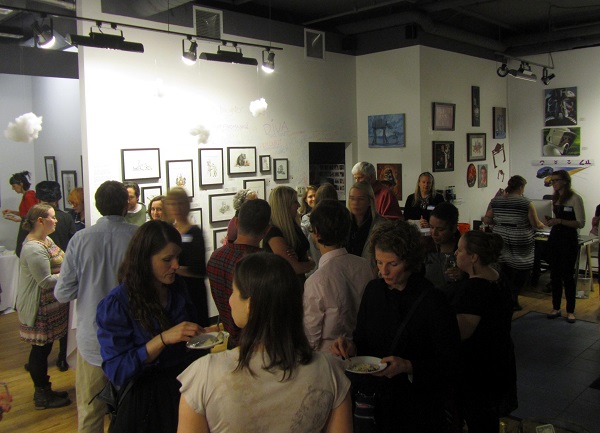
Last night I had the most amazing time at a vegan wine and cheese party that NARN put on at Ltd Art Gallery in Seattle’s Capitol Hill neighborhood. The event was a fundraiser for Precious Life Animal Sanctuary in Sequim, WA. We were really lucky to have Ralph and Caryl Turner, the sanctuary founders, at the event.

Ltd Gallery

We were treated to an array of non-dairy cheeses. I’m not talking about weak substitutes; I’m talking creamy, rich, tangy, flavorful spreads and slices that hold their own. I’ve already written about what’s wrong with dairy, so you know I was thrilled to taste cruelty-free cheeses. No cows harmed. For a lot of people, cheese is one of the hardest things to give up, and with options like these, you don’t have to.

The generous companies that donated cheese for the event included Wayfare, Treeline, Punk Rawk Labs and Field Roast. Additionally, Joyce Huesemann made several delicious spreads. Thank you all!

So what’s vegan cheese made from? Lots of things. It was a diverse grouping of cheese with ingredients like cashews, nutritional yeast, tofu, garlic, herbs, oatmeal, sesame seeds and macadamia nuts.

food collageAs for wine, it’s a much subtler offender. All wine is technically vegan–it’s grapes! However, many wineries use animal products like egg albumen (from egg whites), gelatin (from boiling animal parts), and isinglass (from fish bladder membranes) in the refining process. But there are vegan alternatives. Until recently, I hadn’t paid much attention to whether or not wine was vegan, but I like to vote with my dollars and choose companies who are striving for a better world.

That’s why I was happy to taste the delicious selections from The Vegan Vine and Frey Wine. These two vegan wine companies generously donated wine to the event. They had a delicious selection–from sangiovese to chardonnay. Perhaps I woke up without a headache today because these companies are organic and don’t add sulfites to their products.

And of course (probably because the organizers knew I was coming), there were other vegan wines too. You can use Barnivore to find out which of your favorite wines (and beer and spirits) are vegan.

DJ and raffle queen collage

The best part of the evening was spending time with like-minded people and catching up with friends. We listened to swingin’ tunes by DJ Dubonnet and took in art by Siolo Thompson. The event was a hit–tickets went on sale in August and sold out in less than two days! I hope that means there will be more vegan wine and cheese events in my future. After all, the future is vegan!

Jean in Lois Eastlund dress

Unknown's avatar

Down with feathers

It’s fall. The weather is cooling off, and you want to get cozy. Dreaming of curling up under a down comforter? Thinking of sporting a down-filled jacket or vest? Think again.

Feathers in clothing or bedding are an oft-forgotten animal product. Many people don’t think about the way down and feathers from ducks, geese and chickens are harvested. Often, they’re slaughterhouse byproducts–and profitable ones! Sometimes, they’re even plucked from still-living birds.ducks

Not all countries live-pluck birds, but Hungary and China are two that do. Plucking is painful for the birds, who often undergo the process many times. Egg-laying geese must endure being plucked 5-15 times in their short lives–before they’re sent to slaughter. Geese raised for meat are killed much younger and are plucked about 4 times.

Birds are raised in crowded conditions and when it’s their turn for plucking, they’re caught and held down. The forceful plucking leaves their exposed skin raw, bruised and bloody. I can’t imagine someone yanking out the hair on my head, but that’s what it must feel like.

Even ostriches suffer from plucking. Their feathers are used for decorations, feather dusters, and boas. And roosters are raised and killed for so-called fashionable hair accessories–I’ll write a separate post about that soon.

Money from the sale of down and feathers lines the pockets of foie gras producers and companies that confine birds for their eggs and kill them for their meat. They’re not simply a byproduct.

Alternatives:

Fortunately, synthetic options are available–and they’re superior to down! So next time you’re looking for a sleeping bag, comforter or parka, make sure to avoid ones made with real feathers. Primaloft, Thermal R and Omni-Heat are examples of high-tech, synthetic materials that trap in heat and keep you warm. image of woman in pink parka c/o Vaute Couture

Patagonia, Marmot, Columbia and Northface are just some brands that carry coats made of those materials. But be sure to check the labels–not all the coats they carry are down-free. That’s why I particularly love Vaute Couture, an all-vegan fashion house with really warm wool- and down-free coats.

Most departments stores and specialty shops carry a variety of comforters. Ask for a synthetic option or check the labels before you buy so you–and the birds–can rest well.

Resources:

Unknown's avatar

The circus is in town

Last weekend, the Northwest Animal Rights Network held peaceful demonstrations in Kent, WA, the Ringling Bros. and Barnum & Bailey Circus. This weekend, we’ll be doing the same thing in Everett.

kent circus

This style of circus reeks of colonialism and is a throwback to Victorian times, when swindlers like Ringling, Barnum, and Bailey first got started. P.T Barnum was a money-grubbing showman who’s known for saying “there’s a sucker born every minute.” He promoted blackface minstrel shows and got away with exploiting animals, women, minorities, little people, people with health issues, and anyone else he could make a buck off.

These days at Ringling, only the animals are allowed to suffer.

Ringling will tell you (as they do on their site) that they provide excellent care for their animals and that the animals are ambassadors for their wild counterparts. However, there’s no denying that Ringling had to pay the largest fine for animal abuse in US history ($270,000) for violations of the Animal Welfare Act.

Ringling commercial

No matter how the animals are treated, here’s one thing I stand by: Wild animals don’t belong in circuses. They’re not here for our amusement. They don’t deserve to be caged and carted around, forced to perform 11 months a year, and beaten into submission (that’s essentially how one “trains” an elephant).

Seeing an elephant balance on her hind legs teaches me nothing about how they behave in the wild. I guarantee that bears don’t want to ride bikes, and tigers never line up to jump through fiery hoops. Circuses are bad for animals, and not safe for spectators.

If the circus comes to your town, find something else to do. I can think of at least 10 ideas:

  • Spend the day riding roller coasters
  • Ride your bike, go for a hike, or fly a kite
  • Two words: Go carts!
  • Catch that blockbuster film you’ve been wanting to see
  • Visit an animal sanctuary
  • Go to the beach
  • Attend a sporting event
  • See your favorite band in concert (or check out the symphony)
  • Spend the day at a flea market or craft fair
  • Take a cooking class
  • Go kayaking (or swimming–if you fall out)

Or, go to a circus–a circus that doesn’t exploit animals! Cirque du Soleil and other acrobatic, theatrical shows are exciting and showcase very talented humans–who aren’t enslaved, and actually like what they do!

What are you going to do instead of going to a circus with animals?

Unknown's avatar

Why Paleo diets belong in the Stone Age

The Paleolithic, or Caveman, diet has gotten a lot of press lately. It sounds similar to the Atkins diet of a few years ago (remember that?) with a few more fruits and veggies added in. Many proponents claim eating like early man is how we’re designed: Lots of lean meats (especially wild game) and no grains is what the doctor ordered. Or is it?

First the positives: The Paleo diet encourages people to avoid dairy and processed foods. Sounds healthy enough. But with about half its calories coming from animal protein, it’s not a wise option.

Making assumptions

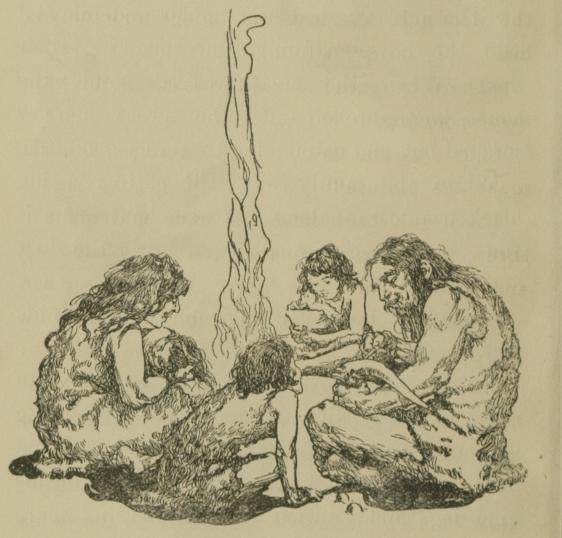
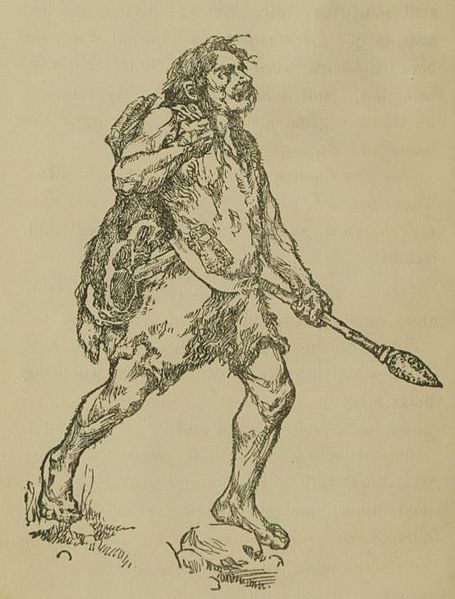
Paleo assumes early humans were mostly hunter, partly gatherer. Women (the gatherers) get little credit and macho hunting men become responsible for catapulting cavemen into civilization. Hunting without modern weapons is difficult and gathering was likely a big part of their diet.cavemen

If early humans were opportunistic hunter-gatherers, doing what they could to survive, they’d surely eat all parts of the animal. No one I know salivates over boar’s eyeballs or deer hearts (but maybe I just don’t know the right people).

The diet also assumes that eating this way was the best choice; it might have been the only choice. And was it healthy? They probably wouldn’t didn’t live long enough to develop heart disease anyway. Back then, life was brutal–and short.

Ignoring what we know

Research about our ancestors is revealing that they were mostly plant-eater, with a bit of opportunistic meat-eating (including cannibalism) thrown in. Leaves, fruit, wood and bark likely made up the biggest portion of their diets.

We also know that diets high in animal protein are unhealthy. And when we cut out carbs, we tend to add in fat. On the contrary, a whole-foods, plant-based diet can give us the most nutrients, antioxidants and fiber, while avoiding cholesterol and saturated fat.

Using diet as an excuse

CavemanAdopting a Paleo diet is a great way to say “I need bacon” and “this burger is the best thing for my body.” It gives people the green light to continue bad habits. I know a few people who eat Paleo, and none of them remember that coffee and alcohol is off-limits too. When it’s convenient, Paleo suits them fine, but the rules get broken.

Funny how people embrace the Paleo diet but also accept modern medicine, technology, and other luxuries. To be Paleo, shouldn’t we eschew antibiotics, anesthetics, dentistry, cars, computers, and central heating? Why is only the food of early humans valued, and not the rest of their simple lifestyles?

Flipping off the environment

I like that the Paleo diet steers people away from factory-farmed meats, but free-range, grass-fed meat is a luxury afforded to the affluent. Plus, we’d need an whole other planet for livestock if we wanted to raise all farmed animals in grassy plains.

Regardless of where animals are sourced, raising them requires vast amounts of water and fossil fuels. Not to mention the enormous piles of feces they produce. The meat industry is a bigger polluter than all transportation combined. Paleo, by encouraging people to increase their meat consumption, is contributing to the destruction of our planet.

Alternatives

From The China Study to PCRM, evidence points to whole-food, plant-based diets as superior to diets that include animal products. Animal-free diets are better for us (reducing risks of heart disease, stroke type 2 diabetes, many cancers, as well as obesity), they’re better for the environment, and they’re much better for animals.

Maybe it’s time to evolve.

Resources

Unknown's avatar

Walk for Farm Animals 2013

This past Saturday was the Seattle Walk for Farm Animals, organized by Farm Sanctuary. About 120 people raised funds for America’s largest farm animals sanctuary (although it looked like a lot more were in the walk). Together, we raised almost $11,000–just shy of our goal.

walk for farm animals

Animal advocates in the Walk for Farmed Animals (photo courtesy of Paul Litwin)

We met at Green Lake, a beautiful Seattle park with a 2.8 mile path around a lake. Despite rain in the forecast, we had a beautiful, sunny day. My friend Shelly and I got to carry the event banner! I felt like I was in a parade. The walk was a great opportunity to honor farm animals–both the ones who are rescued and the ones who’ve lost their lives because of people’s desire for animal flesh.

Several people gave us a “thumbs up” or peace sign. Many more were learning for the first time that there are people who care about all animals and who don’t want to eat them.

Barb at the poster table

Barb helped distribute posters for people to carry in the walk

When we finished the walk, the Green Lake Community Center was set up for us with a delicious, filling buffet, live music by Gary Finkelstein, and a slide show of rescued farm animals.

Many thanks to Mighty-O, Violet Sweet Shoppe, Araya’s, Veggie GrillPizza Pi, Field Roast, and all the other businesses that donated vegan eats for the hungry walkers.

I’m glad I bought raffle tickets before the walk. I ended up winning a beautiful faux leather bag by Susan Nicole! There were many other prizes too, like dog treats by Adventure Days, pet portraits by Vegan Me, and a mini vacation at Someday Farm Vegan B&B.

The walk was a wonderful time for community with like-minded people and a chance to help support a great organization. I’m looking forward to next year!

Unknown's avatar

Visiting Vaute Couture

One of the highlights of my New York trip was visiting Vaute Couture, a vegan-owned, compassionate clothier in the Williamsburg neighborhood of Brooklyn.

Fellow blogger Jesse Anne O lives in Brooklyn, and although it was a hike from her neck of the woods, she met my mom, dad and I at Food Swings, near Vaute. My mom is a blogger too, so it was great for the three of us to compare notes while my dad, patient as always, enjoyed his coffee.

We loved the vegan fast food at Food Swings. It’s a great diner-style establishment with a terrific brunch menu. We chose from sandwiches, burritos and scrambles. They use Daiya vegan cheese in their recipes too. Yum!

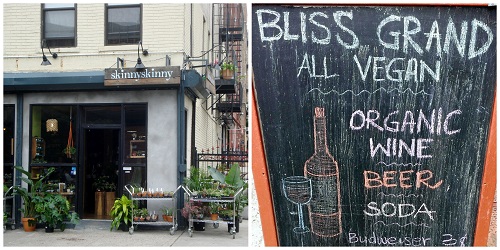
Walking from Food Swings to Vaute Couture, we passed Skinny Skinny, an organic, sustainable bath and body store, and Bliss, a vegetarian restaurant down the street. It’s a veg-friendly ‘hood!

brooklyn collage

Seeing Vaute’s flagship store was a thrill! I’ve been a fan for a while and I finally got to be a customer. Owner Leanne Mai-ly Hilgart is a passionate animal advocate and she’s put her heart and soul into creating sustainable, eco-friendly, made-in-New-York clothes that are free of animal products and oh-so stylish. I didn’t buy my wool-free coat this particular day, but I did jump online a week later for the Fall 2013 presale.

I got a Friends not Fashion tank top and a Vaute necklace. Jesse picked up a dress she had preordered. And of course we had to do the obligatory “blogger pose” on our way out. Sure was nice to have our own personal photographer on hand!

three bloggers

Next door to Vaute Couture is Eco Closet, another sustainable shop. I found a gray and black tunic there. and I’ll be blogging about that on my style blog soon.

The four of us enjoyed walking through Williamsburg. We ended up at a flea market, but that’s a story for another day.

walking through Williamsburg